Column · @israelainx946
Roof Replacement Succasunna, NJ: Top Materials for Lasting Protection

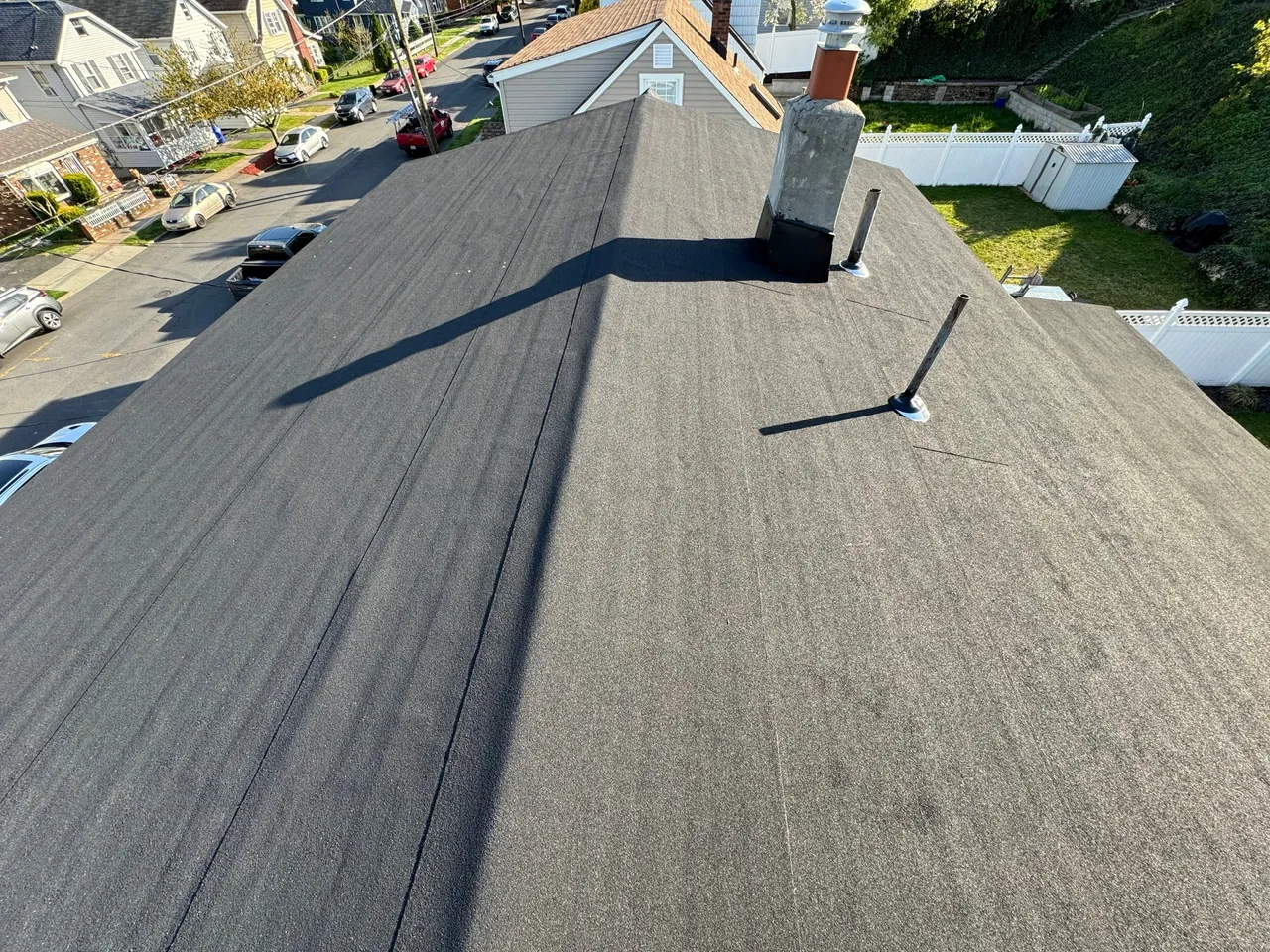
A roof in Succasunna does more than keep rain out. It takes the full brunt of Morris County weather, from summer heat and humidity to winter freeze-thaw cycles, wind-driven rain, and the occasional heavy snow that sits longer than homeowners would like. When a roof reaches the point where repairs no longer make financial sense, the next decision matters just as much as timing the project correctly: choosing the right material.
That choice is rarely about looks alone. The best roof for one home on a shaded residential street may be the wrong fit for another that gets full sun, has a steeper pitch, or already shows signs of attic ventilation problems. In my experience, homeowners usually start with one question, “What lasts the longest?” By the end of the conversation, they realize the better question is, “What lasts well on my house, in this climate, at a cost I can live with?”
That is the heart of a smart roof replacement in Succasunna, NJ. The material needs to work with local weather, the home’s structure, the owner’s budget, and the level of maintenance the household is realistically willing to handle over time.
What roofing has to withstand in Succasunna
Local weather patterns shape roofing performance more than many homeowners realize. The issue is not simply annual rainfall or snowfall totals. It is the repeated movement between wet and dry, hot and cold, frozen and thawed. Roofing materials expand and contract. Sealants age. Flashing gets tested at roof penetrations and valleys. Ice can back up along eaves if insulation and ventilation are not balanced.
A roof replacement in Succasunna, NJ also has to account for mature trees, which are common in established neighborhoods. Shade can be a benefit in summer, but it also slows drying after rain and promotes algae, moss, and debris accumulation. Gutters clog faster. Branches scrape shingles in windstorms. That changes the conversation around material choice, shingle design, and ongoing maintenance.
Then there is the practical side of resale. Buyers in this market notice roofs. They ask how old the system is, what material was installed, whether the decking needed repairs, and whether the ventilation was addressed at the same time. A roof is one of those projects that can either reassure a buyer or put them immediately on edge.
Asphalt shingles remain the default, and for good reason
For most homes in the area, architectural asphalt shingles are still the most common replacement material. That is not just because they are familiar. It is because they strike a workable balance between cost, appearance, availability, and service life.
A good architectural shingle, properly installed over sound decking with correct underlayment and ventilation, can perform very well in New Jersey conditions. It handles varied roof shapes easily, works on many suburban home styles, and comes in a wide enough range of colors to complement brick, siding, stone, or painted trim. Compared with older three-tab shingles, architectural products are generally thicker, more dimensional, and more resistant to wind.
Still, asphalt is not a single category. The difference between an entry-level shingle and a premium laminated shingle can be meaningful. Heavier products often provide better appearance and durability, but they also cost more, and that premium only pays off if the installation details are equally strong. A high-end shingle over poorly flashed valleys or inadequate attic airflow is still a compromised roof.
One mistake I see often is homeowners comparing estimates by line-item price alone while assuming all asphalt roofs are equivalent. They are not. The underlayment, ice and water protection, ridge vent strategy, starter shingles, flashing replacement, and cleanup standards matter as much as the brand name printed on the brochure.
When upgraded asphalt makes sense
There is a sweet spot where upgraded asphalt shingles become a particularly smart choice. If the homeowner wants solid curb appeal, expects to stay in the house for a decade or more, and wants better wind resistance without jumping to the cost of metal or slate, premium architectural shingles often fit well.
Some also prefer impact-resistant shingles, especially if they have experienced storm-related roof damage in the past or want to ask their insurance carrier whether any policy discounts apply. Savings are never guaranteed, and policies vary, but the added toughness can make practical sense in areas where wind-driven debris is a concern.
The key point is that asphalt gives homeowners options. It is not a one-size-fits-all product anymore. There are meaningful tiers, and that flexibility is a major reason it remains the most widely selected material for roof replacement in Succasunna, NJ.
Metal roofing has earned a stronger look from homeowners
Metal roofing used to be dismissed by many suburban homeowners as something better suited to barns, cabins, or contemporary custom builds. That view has changed. Standing seam metal roofs and metal shingle systems are now common enough that many people see them as both practical and attractive.
Their appeal starts with longevity. A properly installed metal roof can outlast many asphalt systems by a wide margin. It sheds snow efficiently, resists rot and insect damage, and generally performs well against wind when installed correctly. It is also lighter than many homeowners expect, especially compared with tile or natural slate.
In a place like Succasunna, the snow-shedding quality can be an advantage, though it has to be managed. Snow guards may be needed in specific areas to prevent sheets of snow from sliding too quickly over walkways, entries, or landscaping. That is the kind of detail that separates a well-planned project from a simple material swap.
Metal also reflects heat differently than asphalt, which can help with summer attic temperatures when paired with a well-designed roof assembly. The actual energy benefit depends on color, coating, insulation, and ventilation, so it should not be oversold, but it can be part of the value equation.
The biggest hesitation is usually cost. Metal roofing often requires a higher upfront investment than asphalt. It also demands an installer with real experience. Flashing details, panel layout, thermal movement, fastening methods, and trim work all need to be handled with precision. A contractor who does excellent asphalt work is not automatically the right contractor for metal.
Cedar offers character, but it is not a casual decision
Cedar shakes and shingles have undeniable beauty. On the right house, they create warmth and texture that few other materials can match. They age gracefully when maintained well, and they can suit historic homes or properties where architectural character is a high priority.
But cedar in New Jersey conditions comes with responsibilities. Moisture, shade, algae, moss, and debris all affect performance. Homes under dense tree cover often struggle more with cedar because the roof stays damp longer. That can shorten lifespan unless maintenance is consistent.
Cedar also requires a homeowner who is realistic. If the appeal is purely visual but the household is not prepared for periodic care, the material can become an expensive regret. There are situations where synthetic products that mimic cedar may offer a better long-term balance, especially for homeowners who want the look without the same level of upkeep.
I usually tell clients to think about cedar the same way they would think about wood siding or a wood deck. It can be beautiful and durable, but only if they respect what the material needs over time.
Synthetic roofing products are worth serious attention
The last several years have brought better synthetic roofing products to market, especially in categories that imitate slate, shake, or tile. The strongest versions are not trying to fool every eye from two feet away. Instead, they aim to deliver a convincing architectural look with lower weight and fewer structural concerns than the natural material they resemble.
This can be a very good option for certain homes in Succasunna. Natural slate is gorgeous, but it is heavy and costly, and not every structure is suited for it without reinforcement. Synthetic slate can capture much of the visual effect while simplifying installation and reducing stress on the home.
Quality varies a lot in this category, which is Royalty Exteriors Roof Replacement Succasunna, NJ why product selection matters. Some synthetics hold color and shape well, while others can look tired too early. A homeowner should ask pointed questions about track record, warranties, installer familiarity, and how the product performs through repeated freeze-thaw cycles.
The strongest case for synthetic roofing is when a homeowner wants a distinct, upscale appearance but is trying to avoid the cost or structural demands of traditional slate or tile. In those situations, a synthetic system can be a practical middle ground.
Slate is exceptional, but only on the right house
Natural slate has one of the best reputations in roofing, and it has earned it. Its lifespan can be remarkable. It resists fire, looks substantial, and gives a home real architectural presence. On older homes designed with slate in mind, nothing else quite feels the same.
Yet it is not a default recommendation. Slate is heavy. Installation is specialized. Repairs, when needed, are not handyman work. The roof structure must be evaluated carefully, and the budget has to reflect both material and labor realities. For some homeowners, that investment makes perfect sense. For many others, it does not.
That does not diminish slate. It simply places it where it belongs, as a premium material suited to homes whose design, structure, and owners all align with what it requires.
Material performance is only half the story
A lasting roof is a system, not just a surface. This is the point many estimate sheets fail to make clear enough. Two roofs may both be labeled “architectural shingle replacement,” yet their long-term performance can differ dramatically because of what happens beneath and around the visible shingles.
If the old roof comes off and the decking reveals soft spots near eaves, around chimneys, or beneath old leak areas, those sections need proper repair. If attic ventilation has been weak for years, replacing shingles without addressing airflow simply repeats the same conditions that shortened the previous roof’s life. If flashing at walls, skylights, and plumbing penetrations is left in questionable condition to save a little money upfront, that shortcut tends to show itself sooner than homeowners expect.
The best roofing jobs are rarely the cheapest initial proposals. They are the ones that solve the underlying problems while installing a material suited to the house.
Signs that a full replacement makes more sense than another repair
There are cases where a repair is still the right call. A small section of storm damage on a newer roof, isolated flashing failure, or a limited issue around a vent boot may not justify full replacement. But there comes a point when patching becomes a slow, expensive way of avoiding a necessary project.
Here are a few signs the balance may have shifted:
- Shingles are curling, cracking, losing granules, or blowing off in multiple areas.
- Leaks keep returning despite past repairs.
- The roof is approaching or past the typical service life for its material.
- Moss, staining, and moisture issues are paired with poor attic ventilation.
- The decking or flashing shows recurring signs of deterioration.
When several of those conditions are present at once, replacement often costs less in the long run than repeated service calls, interior repairs, and emergency patchwork.
Matching roofing material to the home itself
Not every house should wear the same roof. A colonial, ranch, cape cod, or custom home can all carry different materials well, but proportion matters. Roof pitch matters. Visibility from the street matters. So does neighborhood character.
For many homes in Succasunna, dimensional asphalt remains the most balanced visual and financial fit. On a home with stronger architectural lines or a larger, more visible roof plane, metal or synthetic slate may create a more polished result. On a period home, cedar or true slate might be worth the investment if the rest of the property supports that level of detail.
Homeowners sometimes underestimate how much color affects the final result. A charcoal or weathered wood tone can ground a house beautifully. A lighter shingle may soften the appearance of a large roof mass. Very dark roofing can look sharp, but on homes with ventilation issues or full sun exposure, it should be considered carefully as part of the broader roof assembly.
This is where practical design judgment matters. The best material is not simply the longest-lasting product on paper. It is the one that performs well, looks right on the house, and fits the owner’s long-term plans.
Installation season matters less than preparation
People often ask whether there is a “best” time of year to schedule a roof replacement in Succasunna, NJ. The honest answer is that spring through fall tends to be the busiest and easiest for scheduling, but an experienced crew can complete roofing work successfully in many conditions as long as weather is managed properly.
What matters more is planning before leaks become severe. Once water starts entering the house regularly, choices narrow. Homeowners are then forced into faster decisions, tighter schedules, and more interior risk. Replacing a roof proactively usually leads to better contractor availability, better decision-making, and less stress.
The most successful projects I have seen typically begin with a careful inspection, a clear explanation of material options, and a written scope that spells out not just the visible roof covering but the supporting details that actually determine performance.
Questions worth asking before signing a contract
Homeowners do not need to become roofing experts, but they do need to ask enough informed questions to tell whether a proposal is thoughtful or generic. A trustworthy contractor should be able to explain what they expect to find, what happens if decking needs replacement, how flashing will be handled, and how the attic ventilation will be evaluated.
A few questions tend to reveal a lot quickly:
- Will old flashing be replaced where needed, or reused?
- How will you address ice-prone eaves and vulnerable valleys?
- What ventilation changes, if any, do you recommend?
- If damaged decking is found, how is that priced and documented?
- Which material option do you think fits this house best, and why?
A contractor who answers those questions clearly is usually thinking beyond the shingle bundle. That is a good sign.
Cost should be judged over service life, not just at purchase
It is natural to focus on total price. Roofing is a major home expense. But the more useful comparison is often cost across years of expected service. A less expensive material that needs replacement sooner, or that performs poorly under local conditions, is not necessarily the bargain it first appears to be.
For example, if a homeowner plans to move within a few years, a quality architectural shingle may be the most sensible choice. If they expect to stay for decades and want lower long-term replacement frequency, metal or a premium synthetic product may deserve stronger consideration. The answer changes with ownership horizon, house style, and how much value the owner places on appearance and maintenance.
This is also why cheap bids can be misleading. If corners are cut on underlayment, flashing, ventilation, disposal, or deck repair, the lower proposal may simply push costs into the future where they arrive less conveniently.
The best roofing material is the one that fits real conditions
When homeowners search for the single best material, they are often hoping for a simple ranking. Real roofing work is rarely that neat. The right answer depends on weather exposure, attic conditions, architectural style, budget, maintenance tolerance, and how long the family expects to stay in the home.
For many properties, architectural asphalt shingles remain the practical leader. For others, metal delivers stronger long-term value. For distinctive homes, cedar, slate, or premium Roof Replacement Succasunna, NJ synthetics may be the smarter fit. None of those choices succeed on material alone. They succeed when the roof is treated as a complete protective system and installed with care.
That is the standard homeowners should expect when considering Roof Replacement Succasunna, NJ. The goal is not just a roof that looks new on day one. It is a roof that still performs well after years of storms, sun, snow, and seasonal stress, while protecting the house the way it should have all along.
Royalty Exteriors
151 NJ-10 Suite 103A, Succasunna, NJ 07876, United States
+1 973-333-7234
FAQ About Roof Replacement Succasunna, NJ
What are signs a roof needs replacing?
Widespread shingle deterioration, repeated leaks, or damaged decking can point to a larger problem. A roofer can inspect the roof covering, flashing, and deck to determine whether the damage is localized or whether replacement makes more sense.
How long does it take to reroof a 2000 square foot house?
Royalty Exteriors estimates one to three days for many single-family roof replacements. A house’s floor area does not tell you the actual roof area. Pitch, roof features, weather, and any decking repairs can change the schedule.
How long should a roof last in NJ?
There is no single lifespan for every roof. Material, installation quality, attic ventilation, maintenance, and exposure to storms all affect how long a roof remains serviceable. An inspection can help you assess its condition and plan for replacement.